Watch out for flooding
(Acqua Alta)
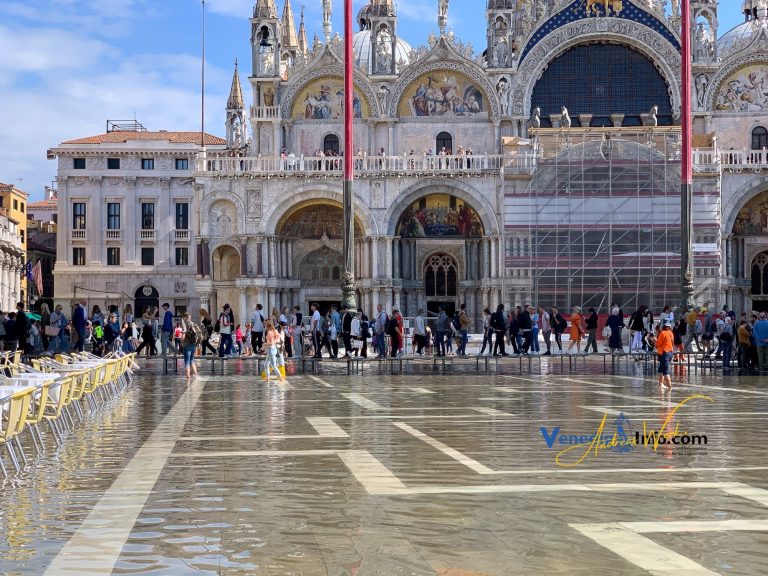
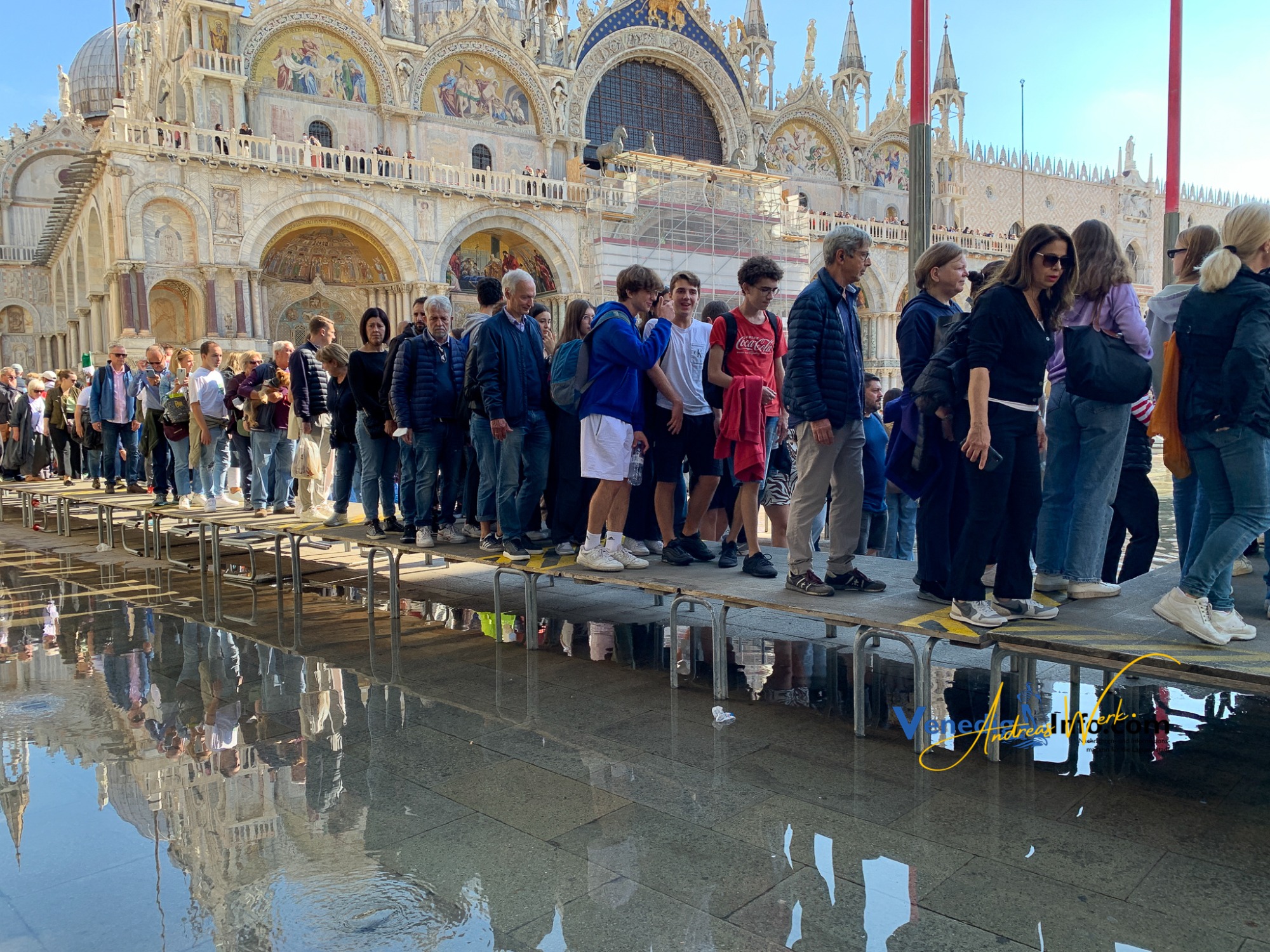
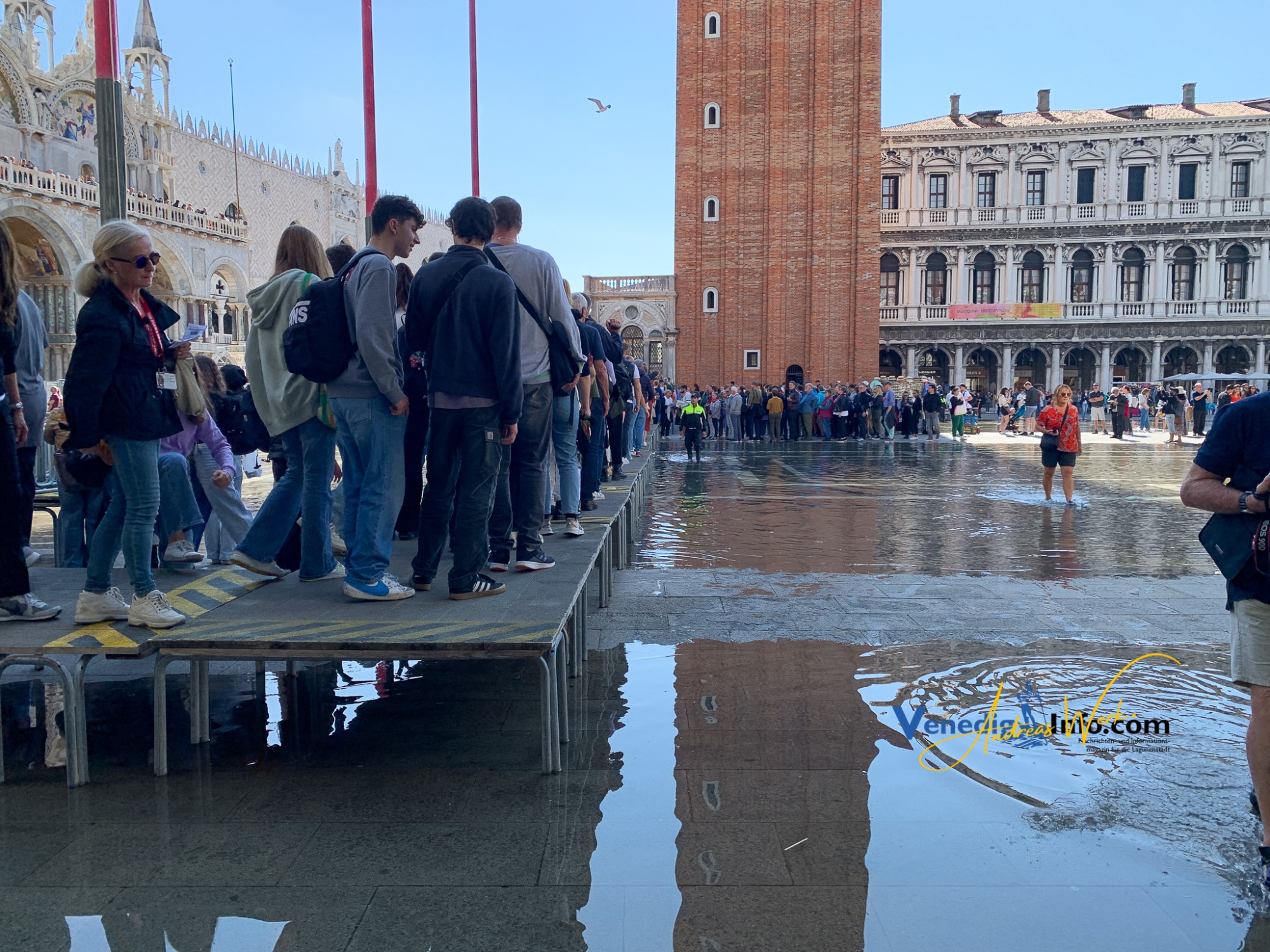
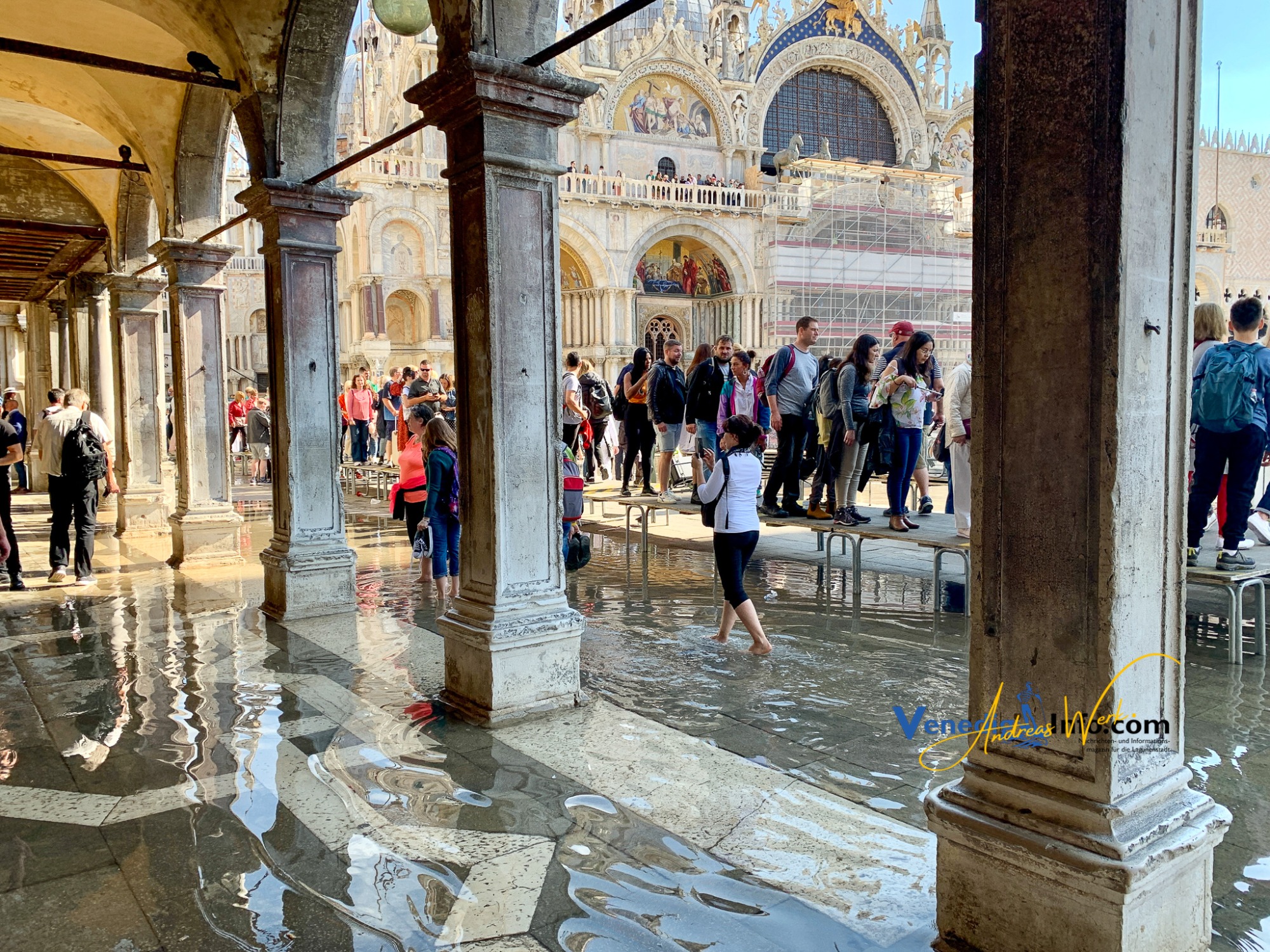
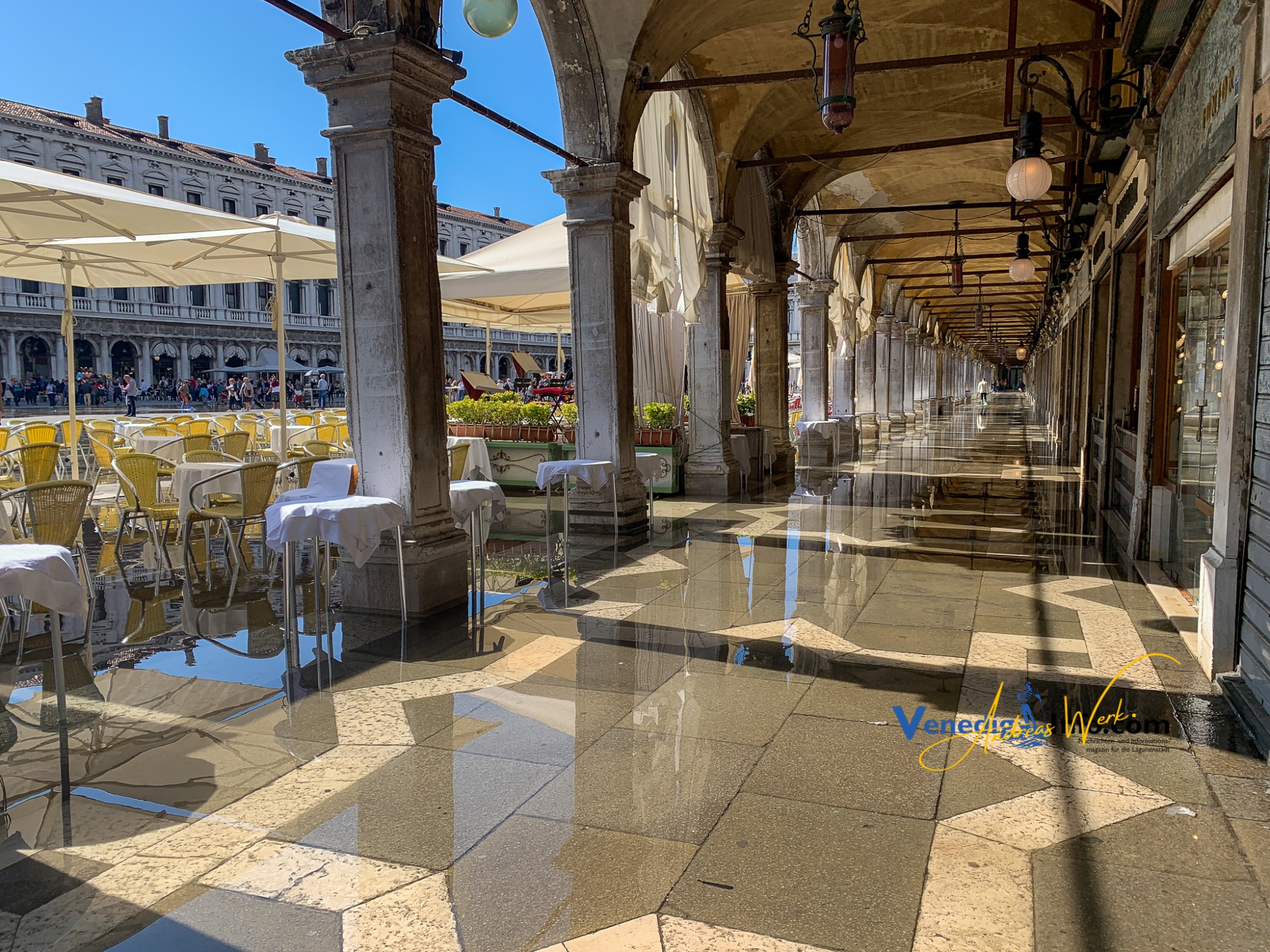
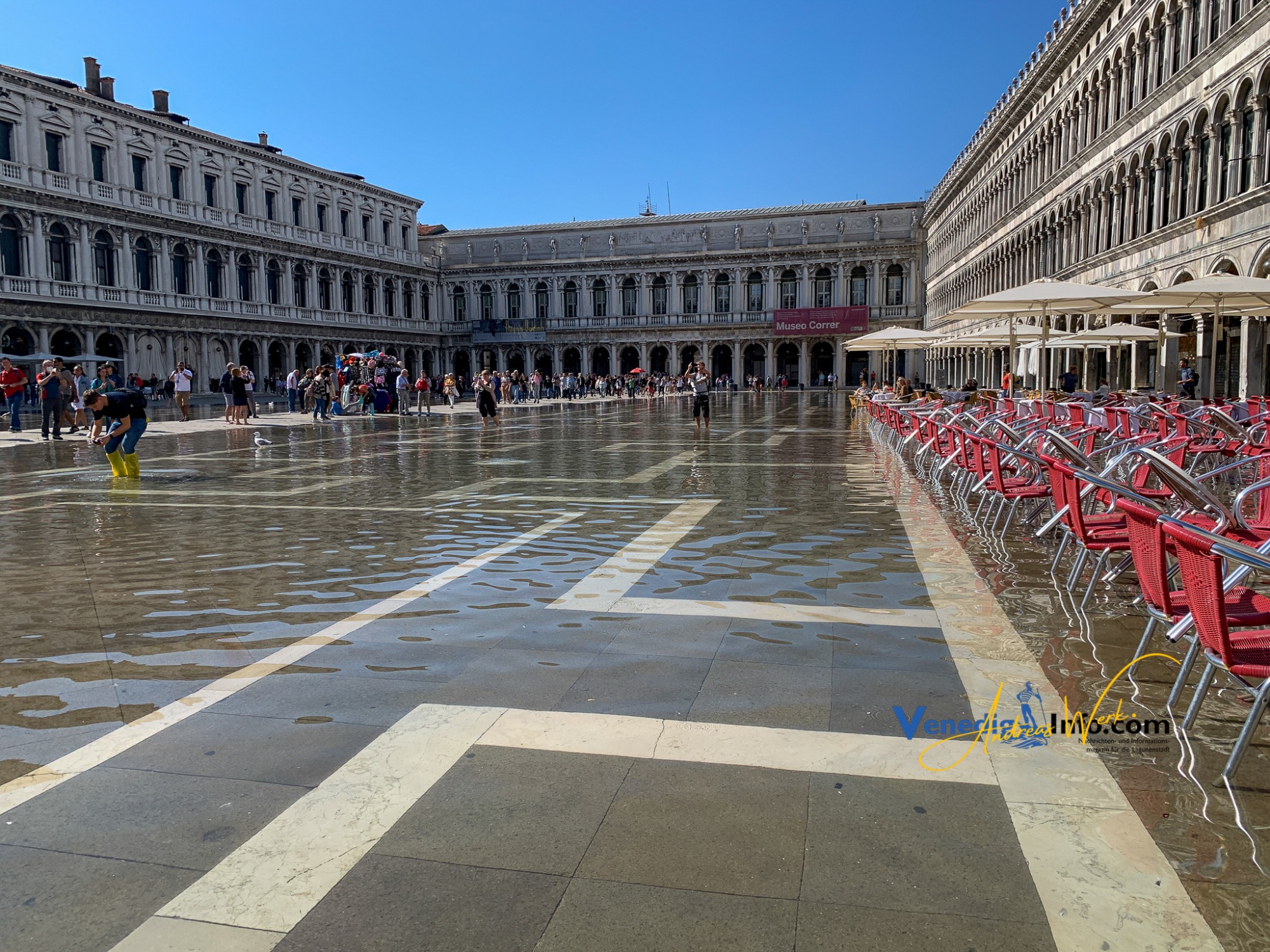
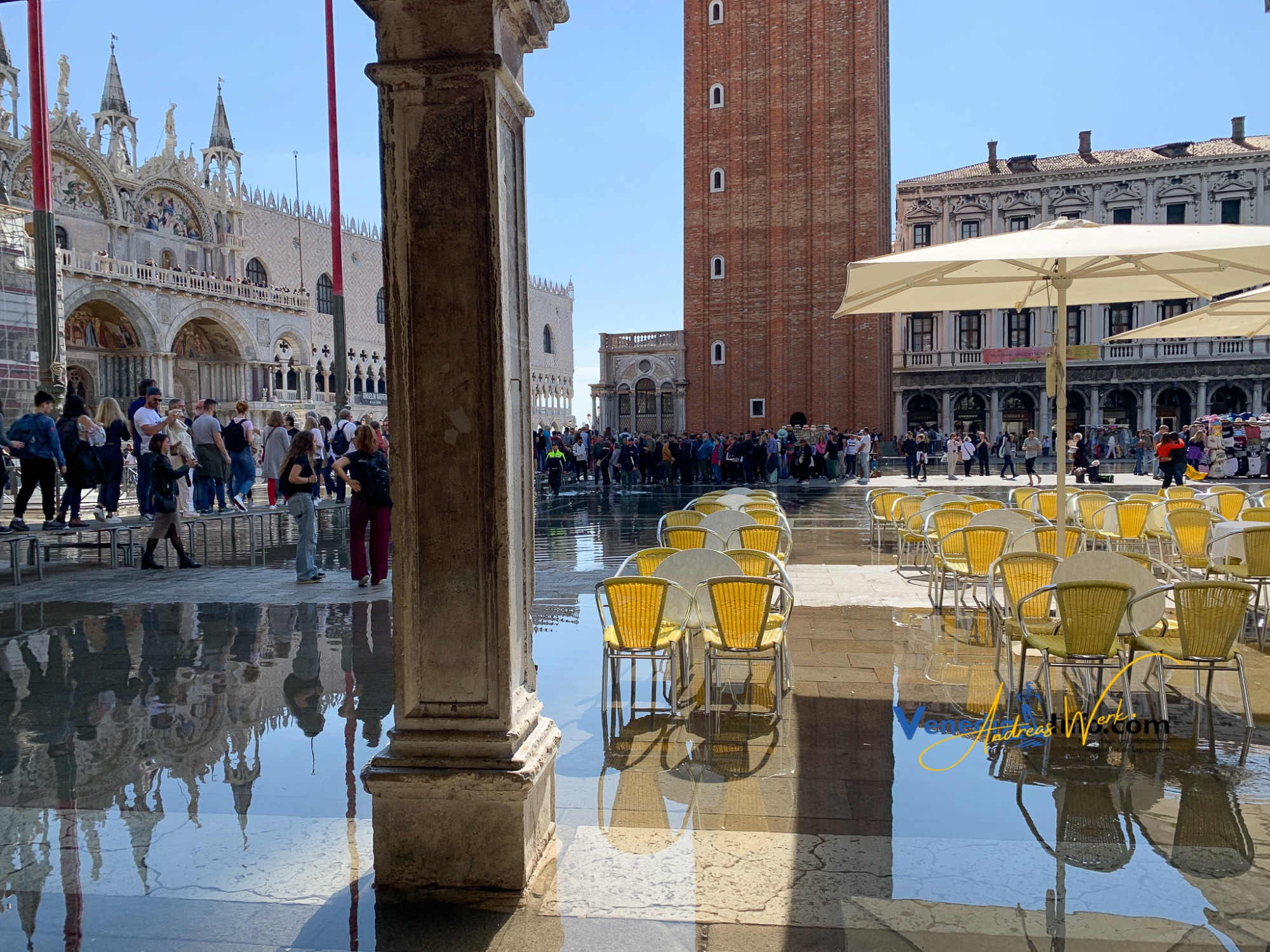
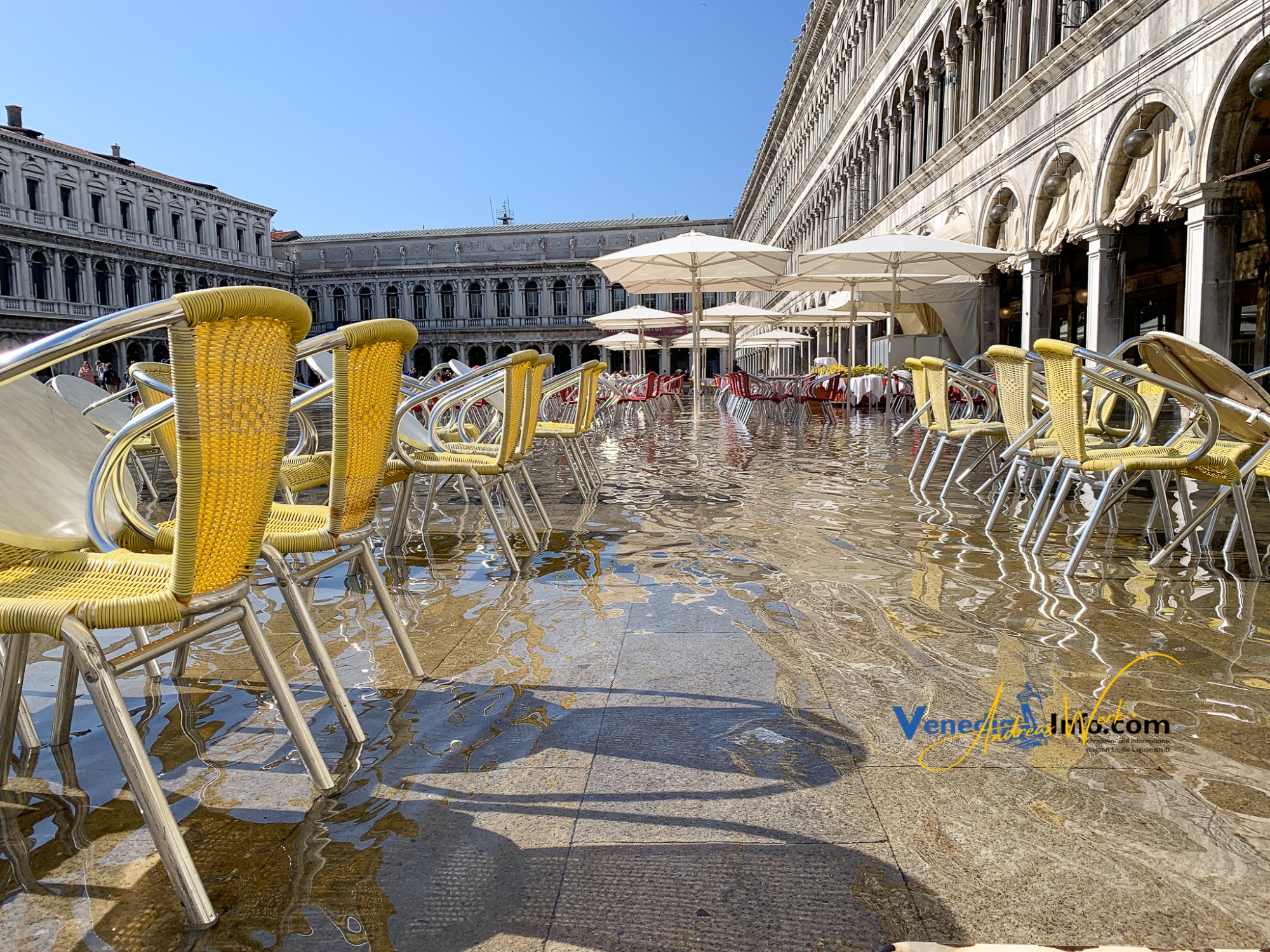
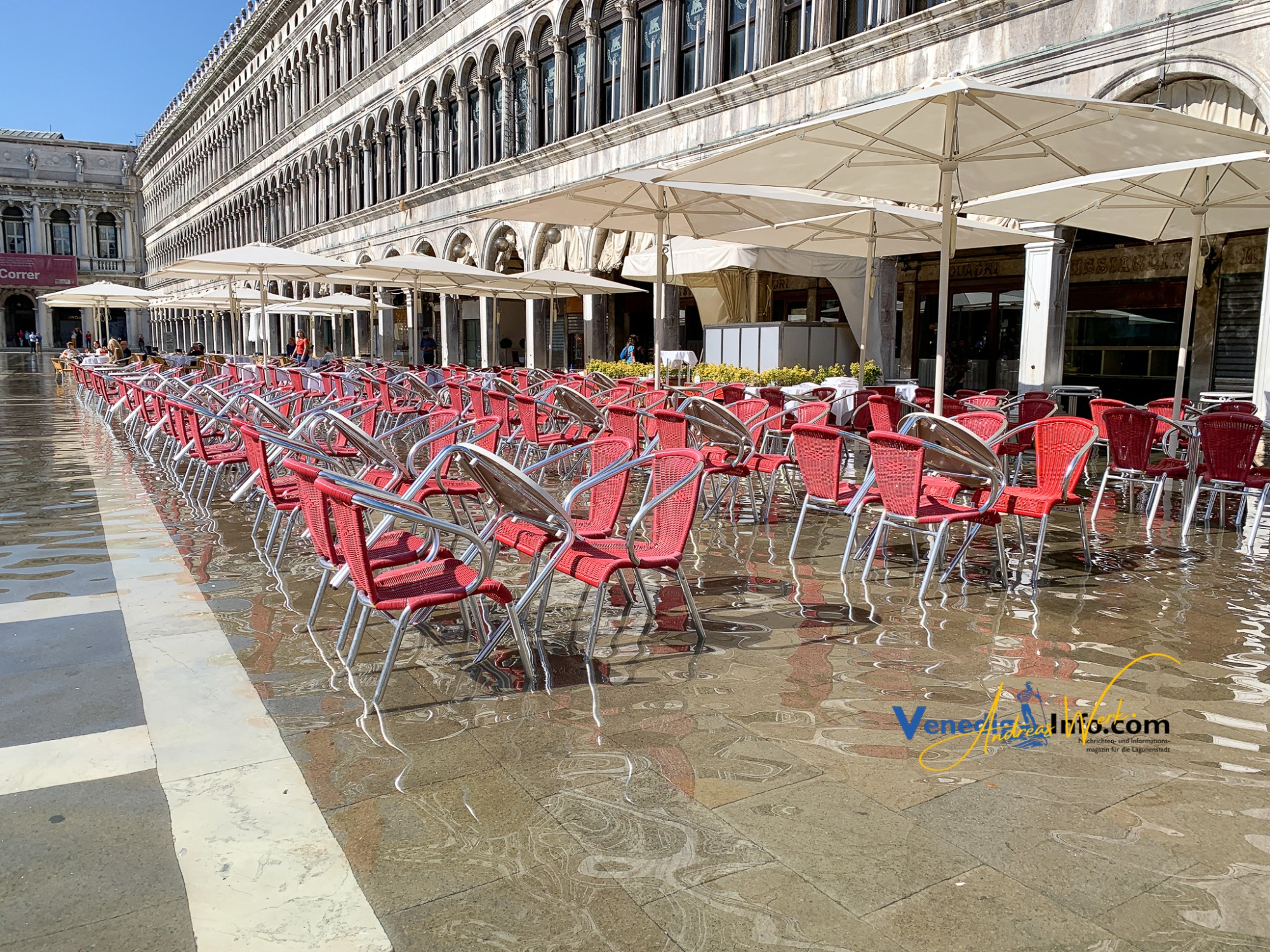
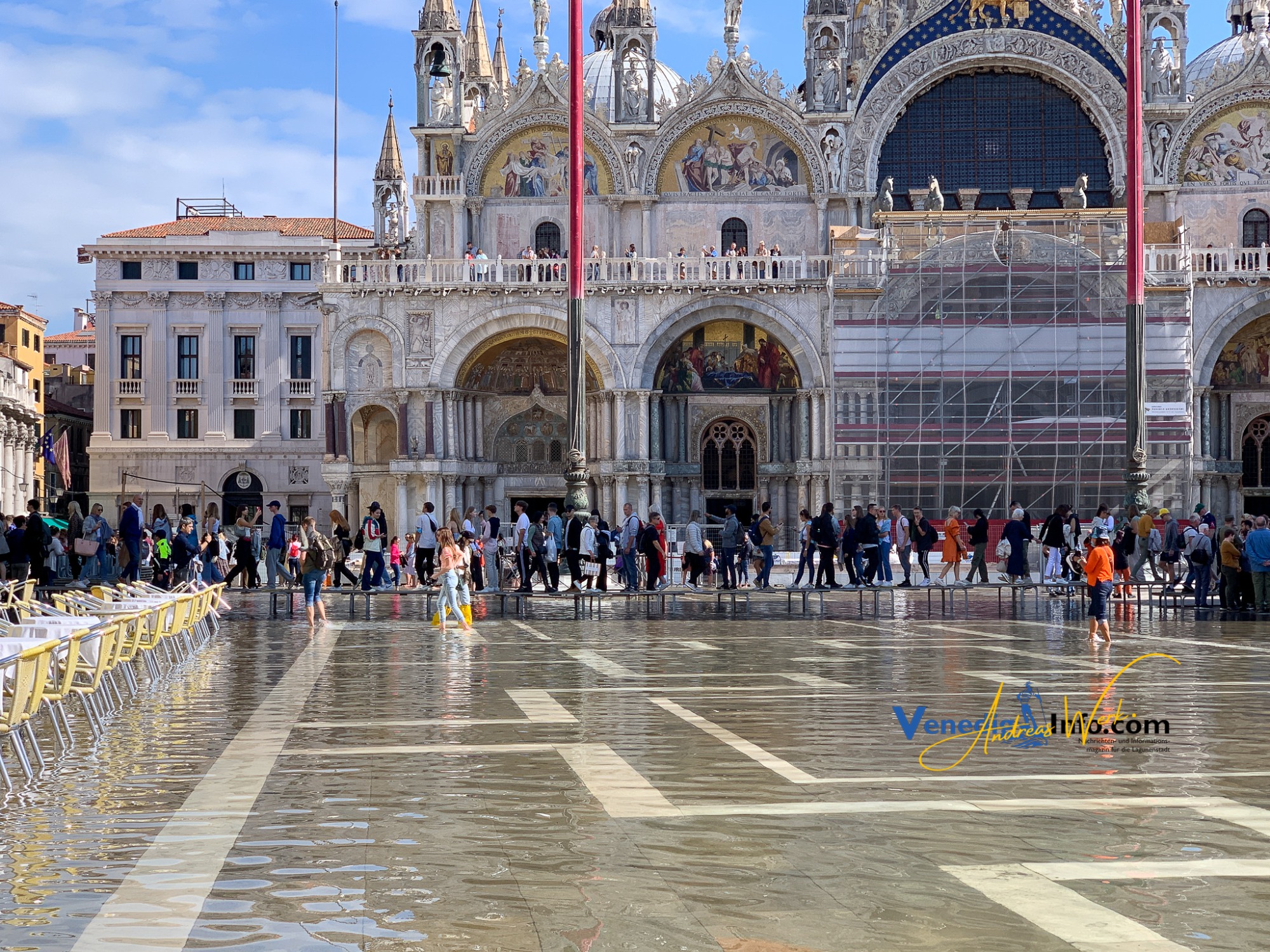
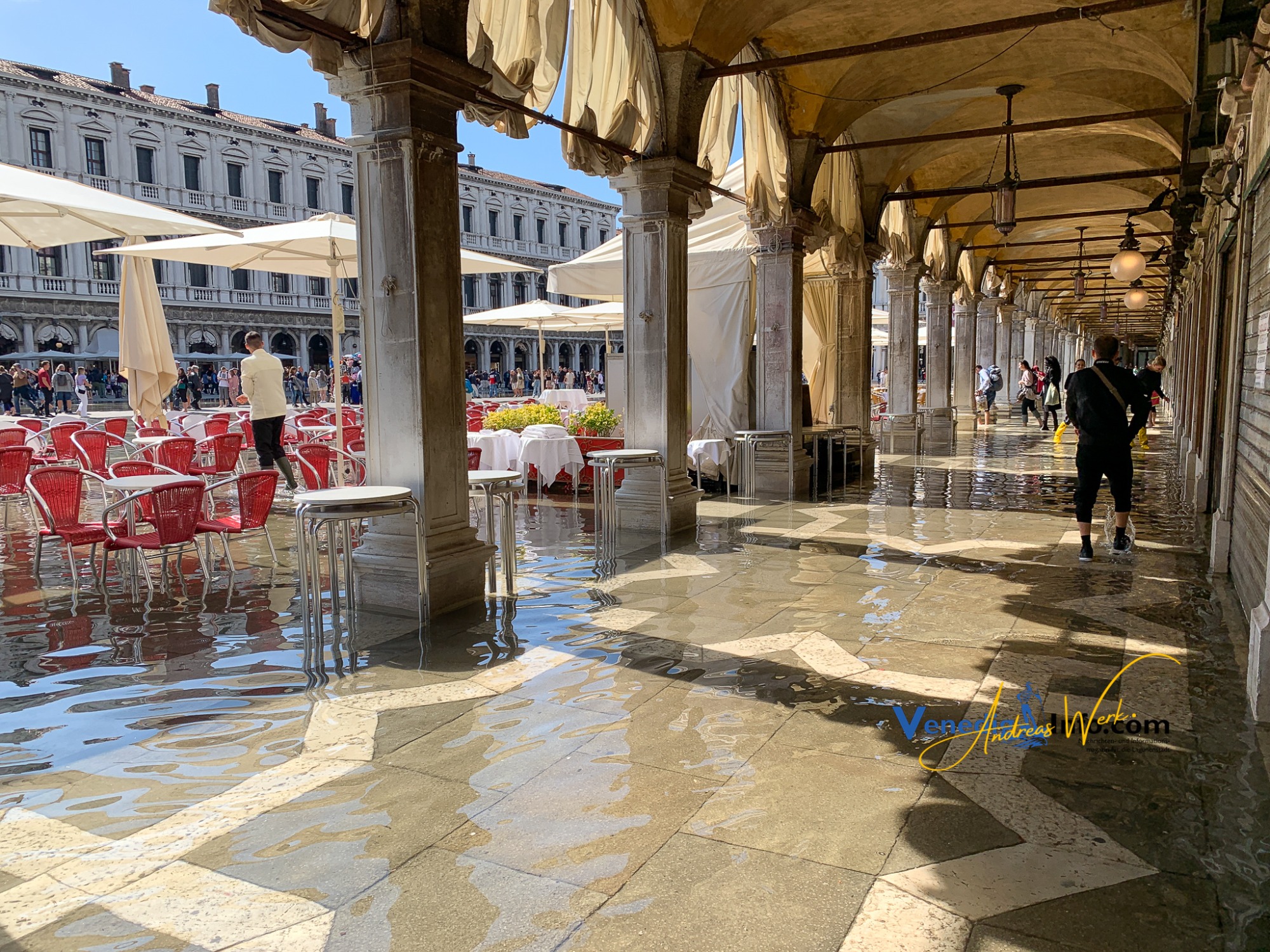
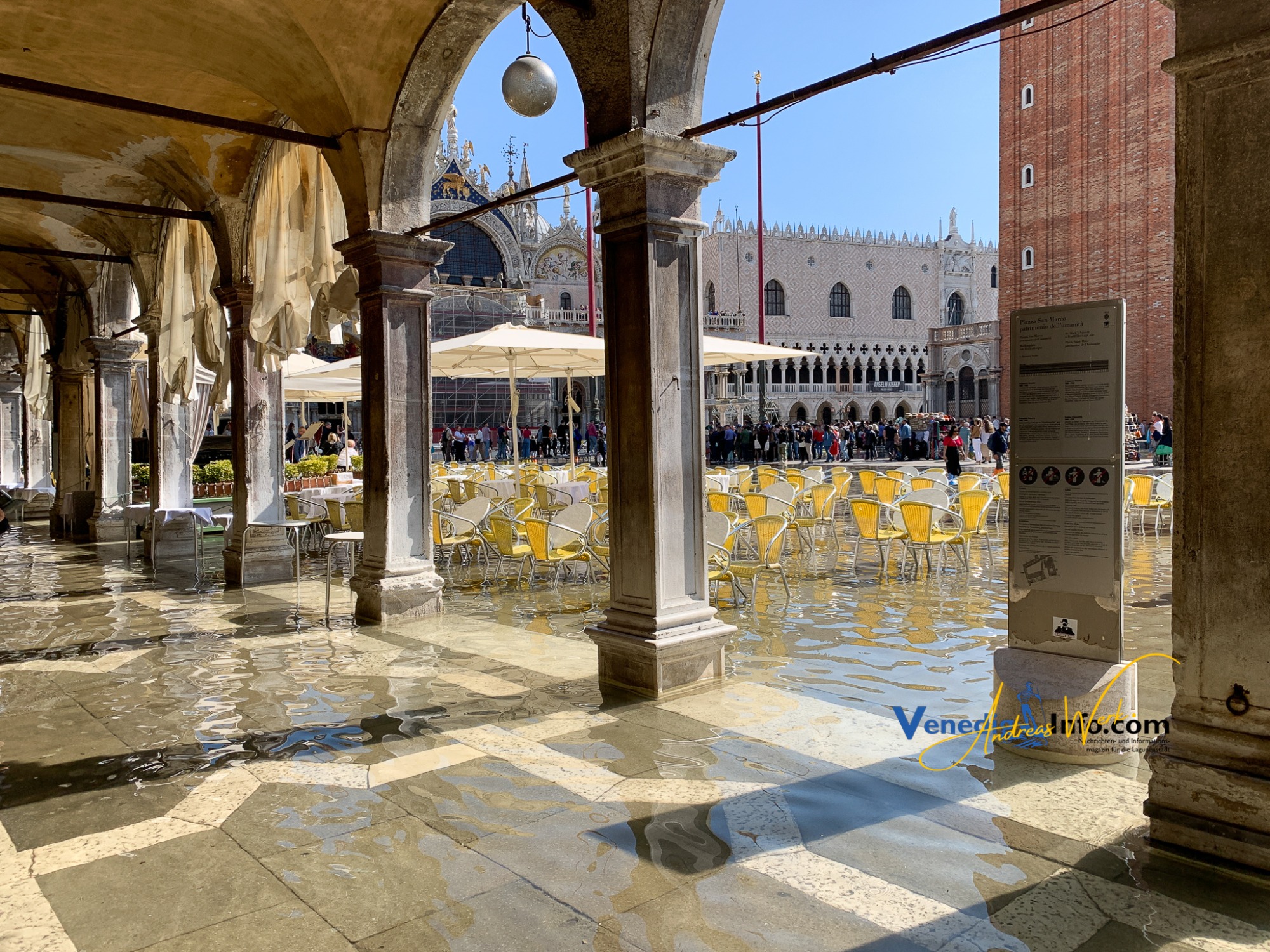
The phenomenon of acqua alta (high water) is an integral part of Venetian life, especially in the autumn and winter months. While the sight of St. Mark's Square flooded is a familiar sight, visitors should still be well-prepared.
When high water is forecast,
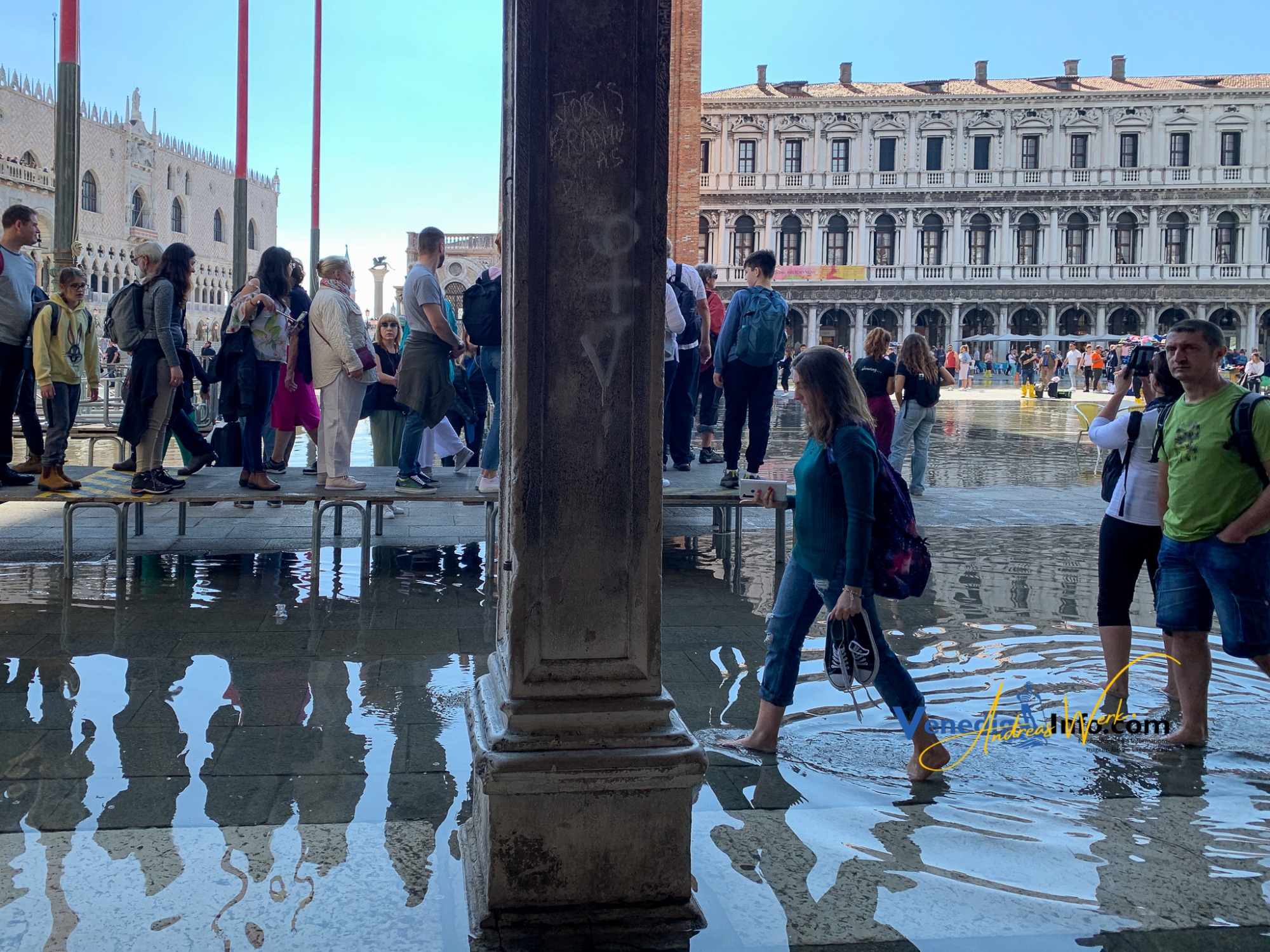
wooden walkways are laid out along the city's main thoroughfares to allow people to cross the flooded areas. These temporary paths are often narrow and can be very busy, so it's advisable to be patient and pay attention to the flow of crowds. However, while these walkways guarantee some mobility, they are not available everywhere. The best and safest preparation is rubber boots. They allow you to move freely even when the water is ankle- or even calf-deep. These are available in many shops in the city if you don't already have them.
How to behave during high water
To avoid unpleasant surprises, it is important to be aware of the flood warnings. Venice has a very effective warning system. Electronic display boards will be installed at the Rialto Bridges or St. Mark's Basilica, showing the current water level and the forecast. Sirens will also announce the arrival of high tide:
One long, continuous siren: Means that high tide is beginning.
Several short sirens: Indicate that the flood has reached its peak.
As soon as the sirens sound, you should postpone or cancel any planned walks in low-lying areas, such as near St. Mark's Square. Take the opportunity to explore the less affected parts of the city or take a break in one of the cozy cafés or restaurants.
Important:
Venice's flood protection system, the MOSE system, is activated during particularly extreme flood forecasts. This usually results in the city being less flooded than in the past. However, minor flooding can still occur during strong tides or unforeseen weather conditions. Therefore, stay alert and check current conditions.